
Semi Off Road or Off Road: What Actually Matters?
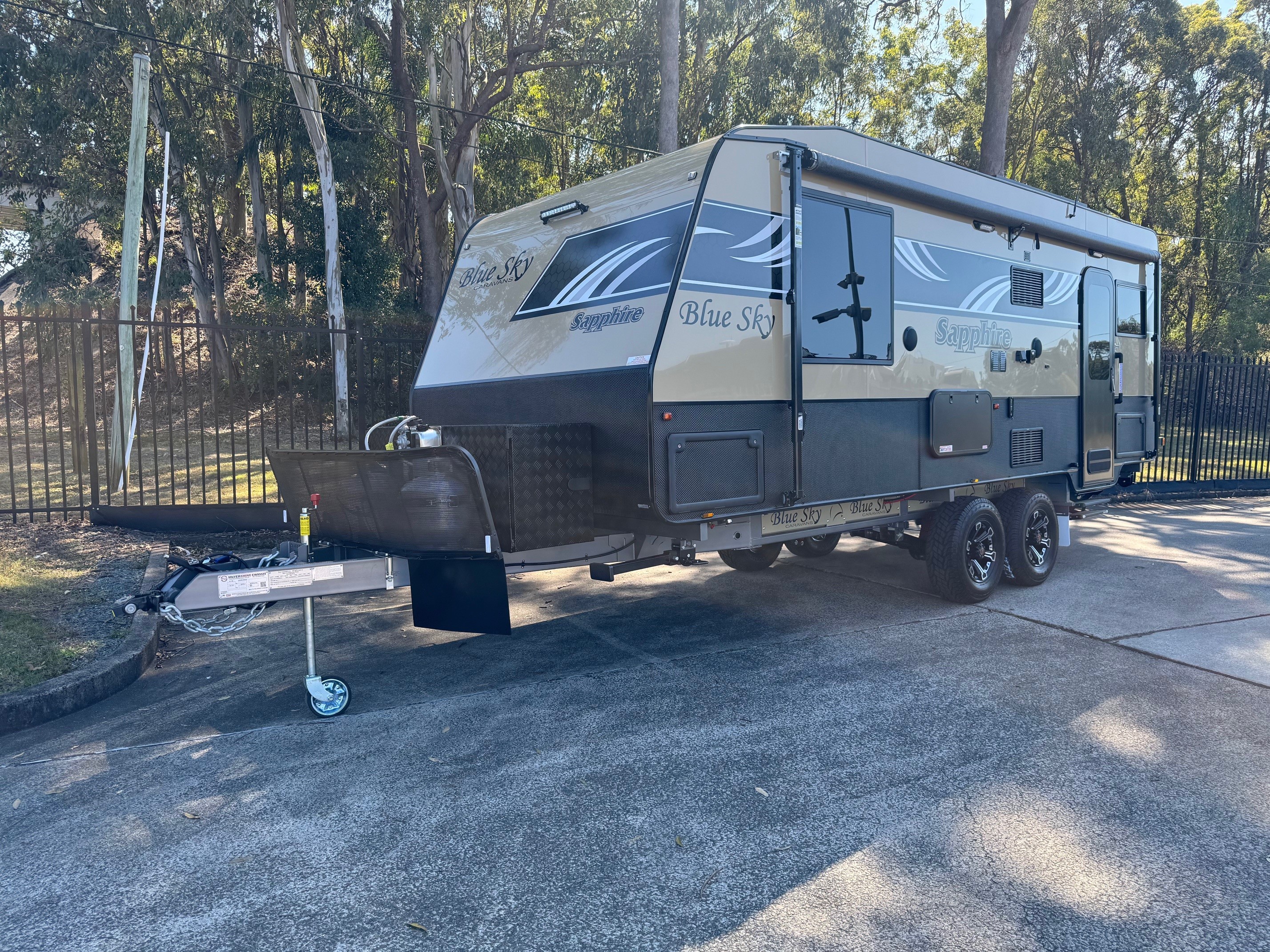
An off road sticker is not a permission slip, mate. It does not tell you where a caravan can safely go. Start with the trip you want to do, then check what the particular van is built and approved to handle.
Start with your roads
Mostly bitumen with occasional maintained gravel is a different job from remote tracks with sustained corrugations. Road conditions change with weather, and an off road badge does not make a flooded crossing safe.
Write down where you reckon you will go. Ask about the actual access roads, not just the campsite photos. The photo never shows the whole story.
Compare the build, not the label
Ask for the suspension name and its operating limits. Check chassis design, ground clearance, tyres, underbody protection and how tanks and wiring are secured.
Semi off road and off road labels are not a promise that every van in a category has the same equipment. Independent suspension alone does not settle the question either.
Check weight and power separately
More equipment can mean more weight. Compare the compliance plate, payload and loaded towing limits with your actual tow vehicle. Use a public weighbridge to check the loaded combination.
Off road does not automatically mean off grid. Battery capacity, charging, solar and water storage need their own comparison against how you camp.
Get the limits in writing
Ask which roads the manufacturer permits and which use is excluded from its warranty. Check your insurance separately. A salesperson's broad promise is not a substitute for either document.
Compare our semi off road caravans and off road caravans. Talk to us about your trip before choosing a van.
Enquire about this van type
Looking for the right caravan? Send us your details and our Burpengary team will help you find a van that fits your tow vehicle, budget, and travel plans — no BS, no pressure.
Get the Ultimate Caravan Buying Guide
Grab the 2026 guide. Tow weights, layouts, off grid power, finance, and a printable checklist for before you buy. No spam, ever.
By downloading, you agree to our Privacy Policy. We never share your email.
Finance & towing questions
The questions Brisbane, Sunshine Coast and Gold Coast buyers ask us most.